.png)





You know the feeling-that first real winter chill that seeps right into your bones. You bundle up in layers, crank up the heat, and still feel a shiver you just can't shake. But what if I told you the most powerful furnace you own isn't in your house, but in your kitchen? For centuries, cultures around the world have turned to food as their first line of defense against the cold. It's not just folklore; there's real science behind how certain ingredients can literally help turn up your body's internal thermostat.
Let's ditch the winter blues and talk about true edible warmth. Here are the 10 best winter food items that do more than just fill you up-they fuel your body, boost your health, and wrap you in a blanket of comfort, one delicious bite at a time.
1. The Humble Root Vegetable: Nature's Buried Treasure
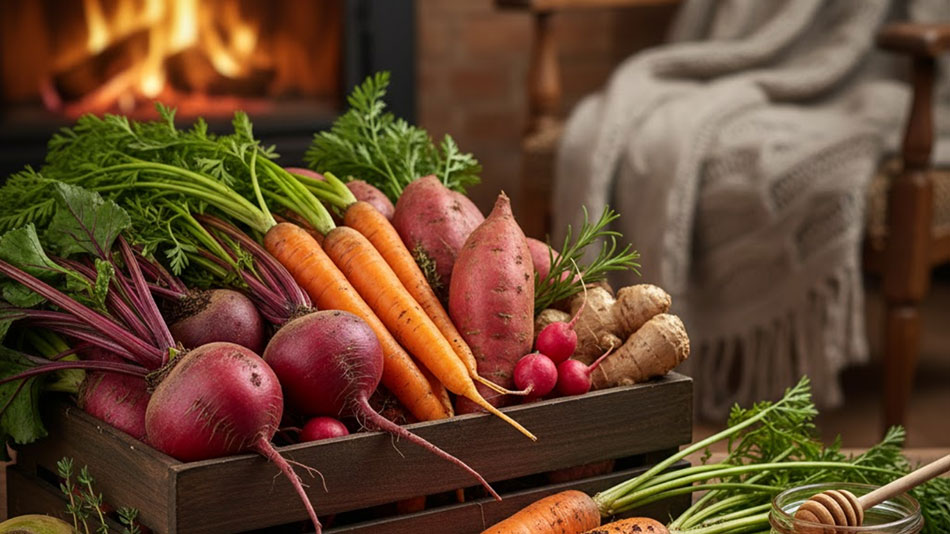
Picture this: while the world above ground is frosty and still, a vibrant, earthy world thrives just beneath the surface. Root vegetables like sweet potatoes, carrots, beets, and parsnips are winter's superheroes. They spend their growing seasons absorbing nutrients from the soil, becoming dense, complex carbohydrate powerhouses.
Why They Warm You Up: Your body works harder-and generates more heat-to break down these complex carbs and fiber. This process, called diet-induced thermogenesis, is like giving your metabolism a gentle, warming nudge. Plus, their rich, earthy flavors are the perfect base for hearty roasted vegetable medleys, stews, and mashes.
Pro-Tip: Toss them in heart-healthy olive oil, rosemary, and a pinch of sea salt before roasting. The caramelization creates a sweetness that feels like a hug.
2. Soul-Warming Soups & Stews: The Ultimate Liquid Blanket

Is there anything more fundamentally comforting than a steaming bowl of soup? From a rustic Italian minestrone packed with beans and kale to a slow-simmered Scottish broth, soups are hydrating, nutrient-dense, and endlessly versatile.
The Science of Simmering: Long, slow cooking breaks down tough fibers in meats and vegetables, making their nutrients more bioavailable. The hot liquid itself raises your core temperature immediately. According to a study published in the Journal of Nutrition, consuming warm liquids can promote a feeling of satiety and warmth more effectively than cold foods.
My Go-To: A hearty lentil and sausage stew. The protein and iron from the lentils help fight winter fatigue, while the spices create a gentle, lingering heat.
3. The Mighty Ginger: The Fiery Root

More than just a sushi sidekick, ginger is a rhizome with a kick. That distinctive zing you feel? That's gingerol, its main bioactive compound with potent anti-inflammatory and antioxidant effects.
Why It's a Winter Must-Have: Ginger is a circulation booster. It helps expand blood vessels, sending warm blood to your extremities-perfect for icy fingers and toes. Forget the basic ginger tea; try finely grating fresh ginger into your morning oatmeal, stir-fries, or even a mug of hot lemon water with honey.
Fun Fact: In Traditional Chinese Medicine, ginger is considered a "hot" food, used for centuries to dispel cold and dampness from the body.
4. Oats: The Breakfast Champion

A bowl of oatmeal on a frosty morning isn't just convenient; it's strategic. Oats are a fantastic source of soluble fiber, specifically beta-glucan.
The Warming Effect: Beta-glucan forms a gel in your gut, slowing digestion. This slow energy release means your body has a steady fuel source to maintain its core temperature for hours. It also helps regulate cholesterol-a nice bonus for heart health during the sedentary winter months.
Level It Up: Make it creamy and rich with milk or a milk alternative, stir in a spoonful of almond butter for healthy fats, and top with winter fruits like diced apples or pears warmed in a pan with cinnamon.
5. Dark Leafy Greens: The Unsung Winter Warriors
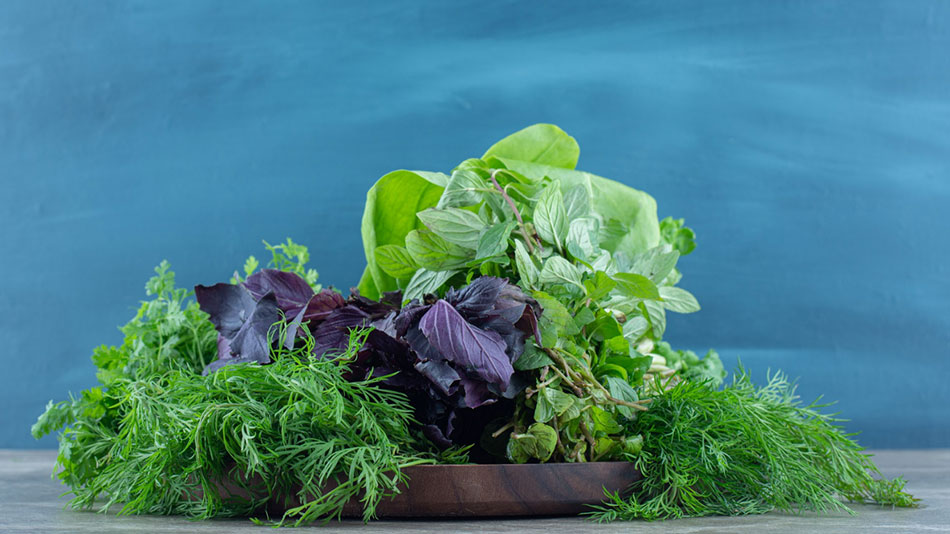
Kale, spinach, Swiss chard-these might seem like summer salads, but they're actually cold-weather crops that sweeten after a frost. They're bursting with vitamins A, C, and K, as well as iron and folate.
Why They Matter: Iron is crucial for producing hemoglobin, which carries oxygen in your blood. Efficient oxygen transport is key for energy and heat production. Vitamin C helps you absorb that plant-based iron, making a sauteed kale and lemon combo a perfect winter side.
Recipe Twist: Don't just eat them raw. Saute them with garlic in a bit of olive oil. The heat wilts them, making them easier to digest and releasing a deeper, sweeter flavor.
6. Spices: Your Kitchen's Heat Arsenal
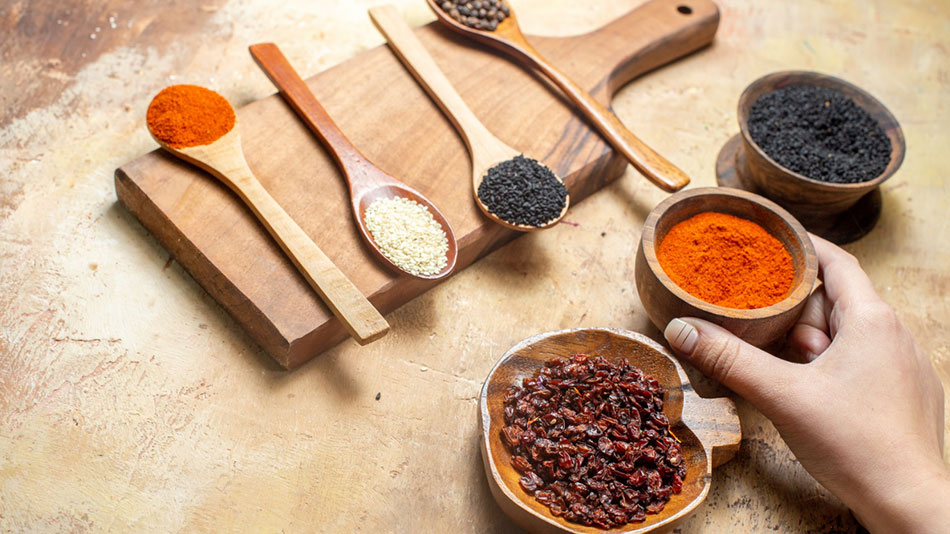
Cinnamon, cayenne, turmeric, black pepper, cloves-this is where the magic happens. These aren't just flavor agents; they're thermogenic spices.
How They Work: Capsaicin in cayenne and piperine in black pepper can temporarily increase heat production in your body. Cinnamon helps improve blood flow. Turmeric (especially when paired with black pepper) fights inflammation, which can be heightened in cold weather. Add them liberally to everything: roasted nuts, smoothies, curries, and hot drinks.
7. Healthy Fats & Omega-3s: The Long-Burn Fuel

Think of avocados, nuts (like walnuts and almonds), seeds (flax, chia), and fatty fish (saldom, mackerel) as your slow-burning log fire. They provide dense, sustained energy.
The Biological Reason: Fats are essential for absorbing fat-soluble vitamins (A, D, E, K)-vitamin D being especially important when sunlight is scarce. They also support healthy cell membranes and hormone regulation, keeping your internal systems running smoothly to generate heat.
Simple Addition: A handful of walnuts in your yogurt, a slice of avocado on whole-grain toast, or a weekly serving of baked salmon can make a significant difference.
8. Beans & Lentils: The Protein-Packed Warmers

A big pot of chili or dal is winter wisdom in a bowl. Legumes are packed with plant-based protein, complex carbs, and fiber.
The Trifecta: This combination requires significant energy to digest (creating heat), stabilizes blood sugar (preventing energy crashes), and keeps you feeling full and satisfied for a long time. They're also incredibly economical and perfect for batch cooking.
9. Whole Grains: The Sustained Energy Source

Swap refined grains for their whole counterparts: quinoa, brown rice, barley, and farro. These grains retain their bran and germ, meaning they're richer in B-vitamins, which help your body convert food into usable energy and heat.
Serving Idea: Use them as a warm base for grain bowls. Top with roasted veggies, a lean protein, and a dollop of Greek yogurt for a complete, warming meal.
10. Herbal Teas & Warm Elixirs: Hydration with a Purpose

When it's cold, we often forget to drink water. But dehydration can make you feel colder. Enter herbal teas: cinnamon spice, chamomile, peppermint, or ginger-turmeric blends.
The Ritual: The simple act of holding a warm mug warms your hands. Sipping it slowly warms you from within. Herbs like peppermint can aid digestion after a hearty meal, while chamomile promotes relaxation-essential in the often-stressful winter months.
My Evening Ritual: A cup of "Moon Milk"-warm milk (or almond milk) with a pinch of turmeric, cinnamon, ginger, and a drizzle of honey. It's my signal to my body that it's time to unwind and get cozy.
The Final Spoonful
Winter isn't just a season to endure; it's a season to nourish. By choosing these foods, you're not just eating-you're strategically supporting your metabolism, boosting your circulation, and fortifying your immune system. Listen to the age-old wisdom of cultures in colder climes: food is medicine, and the kitchen is the heart of the home for a reason.
This winter, turn your meals into moments of warmth. Light a candle, simmer a pot of stew, and savor the deep, earthy flavors that are perfectly in tune with the season. Your body-and your soul-will thank you.
What's your ultimate winter comfort food? Share your favorite warming recipe in the comments below-let's build a community cookbook for the coziest season!
